Beverage programs that carry a place and a story.
Thirteen years behind the bar. Still there most nights.
There is a gap between a drinks list that photographs well and a bar that holds its standard at 11pm on the fourth Friday. I work in that gap. It is usually where the margin went.
Drinks that photograph well and cost badly. No pour-cost discipline, no data behind the list, no idea which serves carry the margin.
Recipes live in people's heads. Standards drop the week the best bartender takes leave, and nobody can prove what correct looks like.
A bar that looks the part but has no narrative — nothing for guests to remember, press to write about or brands to partner on.
Handsome decks, zero adoption. Nothing embedded into ordering, line checks, training or the daily rhythm of the floor.
Audit the bar as it actually runs — POS sales mix, pour costs, par levels, supplier terms, station layout and team capability.
Concept and menu built together: narrative, serve architecture, specs, glassware, garnish and prep the station can genuinely hold.
Turn it into systems — costed recipe books, SOPs, line checks, requisition trackers and training workbooks in your brand.
Train the floor, run the launch, review at 30, 60 and 90 days, and hand over a program the team owns without me.
A five-cocktail guest curriculum built as a revenue line, not a marketing event — tiered at AED 299–349 per guest across two proposal levels.
Supported by COGS breaksheets, an ownership-facing BEO costing model and a 13-page agave training handbook for the floor team.
Underpinned by a stock and requisition tracker with par levels drawn from six months of POS sales data, plus line checks and a written handover.
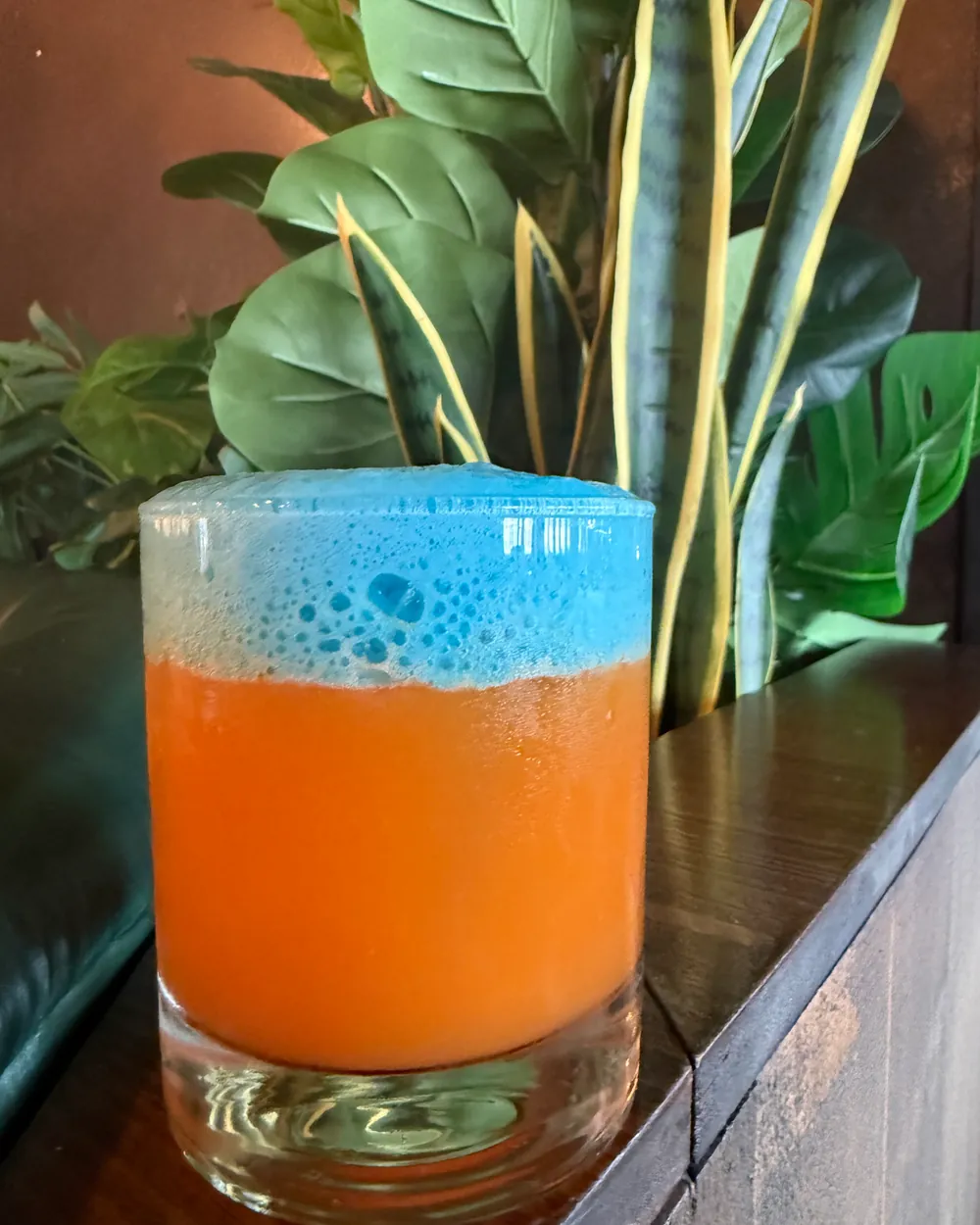
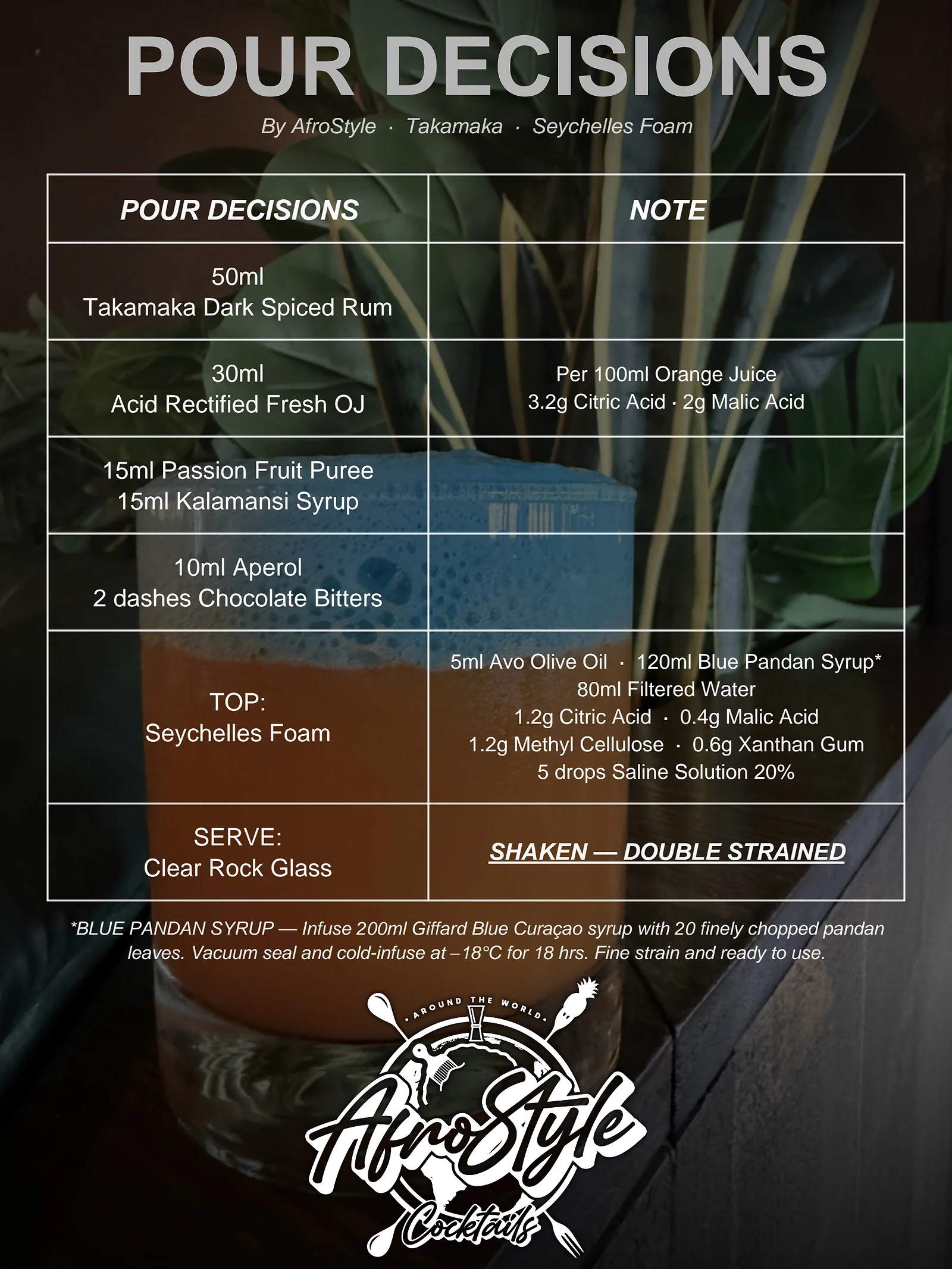
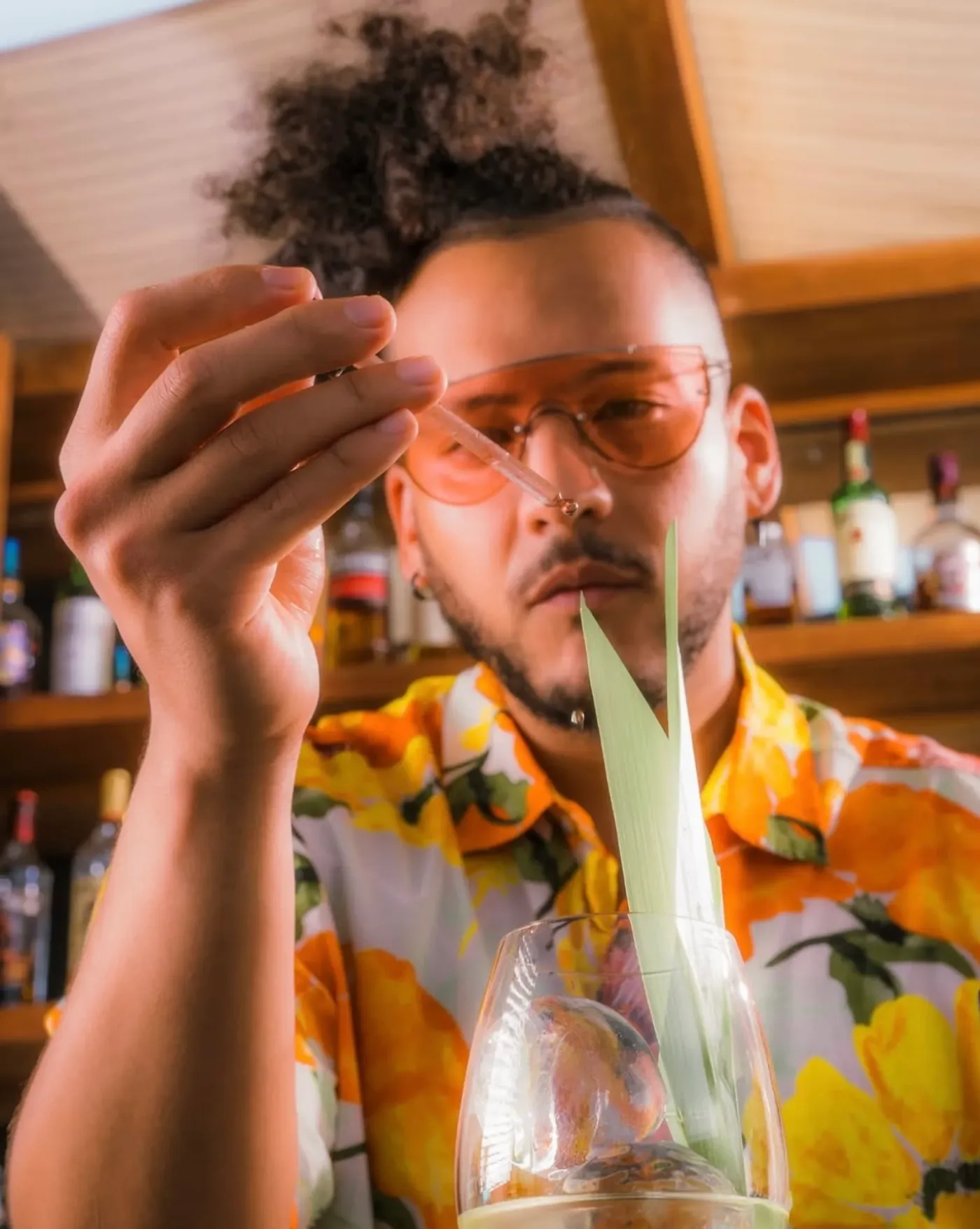
Takamaka Dark Spiced, acid-rectified orange, passionfruit, kalamansi, Aperol and chocolate bitters — finished with a stabilised blue pandan foam and served over clear rock.
Fresh orange juice corrected to 3.2g citric and 2g malic per 100ml — citrus stability without the drop-off.
Blue pandan syrup vacuum-sealed and infused 18 hours at −18°C, then fine strained.
Methylcellulose and xanthan with saline correction — a foam that holds through a full service.
Beverage curation and bar delivery for fashion, luxury and international sporting events — Vogue, Jimmy Choo, Piaget, Hermès, NBA and UFC.
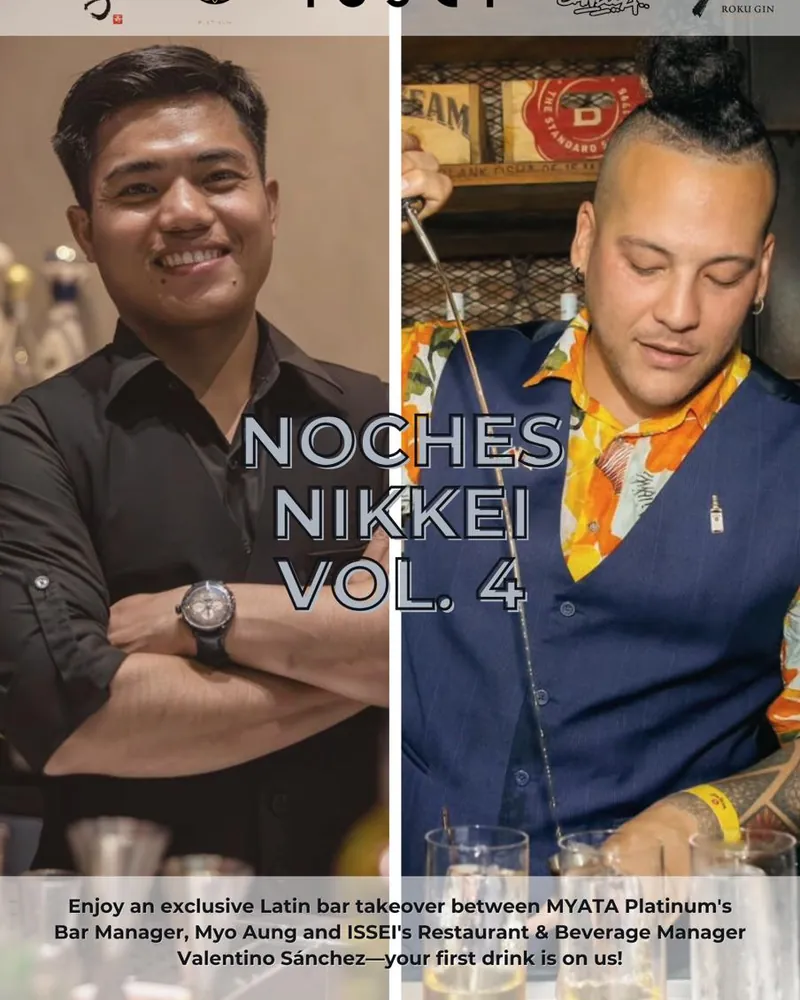
Latin bar takeover between ISSEI and MYATA Platinum, programmed with Roku Gin, Toki and Santiago Cimbola.
One night, one bar, three bartenders and a fixed AED 50 price point with Takamaka rum.
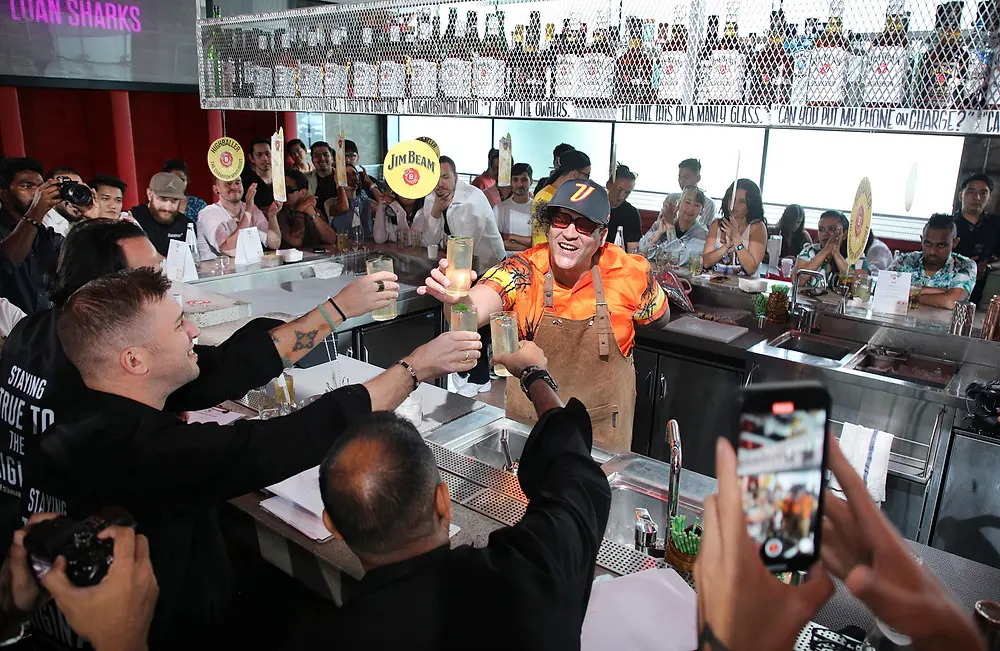
Placed in the national Highballer final — a live speed-and-consistency build judged in front of a full bar.
Portfolio training translated into a bartender handbook covering the full 2025–26 agave range.
The seven that come up in almost every opening conversation, answered the way I would answer them on the phone rather than in a proposal.
Scope sets the fee, not the hours. Three shapes: a fixed-scope project, a retainer where I own the programme ongoing, or a day rate for training, audits and activations. Tell me the venue, the covers and the timeline and you get a written scope with a number in it — before anyone commits to anything.
You do. Every spec, costing sheet, par level and training document is handed over at the end, in a format your team can edit. A programme you cannot run without me is not a programme, it is a dependency — and the point of the work is to leave the bar able to run without me.
An audit and a costed menu is measured in weeks. A programme embedded properly — costed, documented, trained, holding under pressure — is measured in months. For a pre-opening, twelve to sixteen weeks before doors is comfortable; below that, training is the first thing that gets cut, and it is the thing that decides whether any of it survives.
Yes. Based in Abu Dhabi and delivered across the Gulf, the Caribbean, South America, North America, Asia and Eastern Europe. Programmes are written and trained in English or Spanish, which matters more than it sounds: documentation the floor team cannot read in their own language stops being used the week after I leave.
Not a mood board. The last full programme handed over 146 costed serves, a two-tier commercial proposal, a BEO costing workbook for ownership, a thirteen-page agave training handbook, a 237-line stock and requisition tracker, par levels drawn from six months of POS history, a 143-item line check and a written handover.
Pour cost, sales mix and par-level variance — measured before I start, so there is a baseline to argue with. Control changes usually read inside the first month. Menu changes follow the next sales-mix cycle. If nothing is currently being measured, that is the first thing the audit fixes, because otherwise no one can tell whether the work paid.
I do, on your own station during your own service, never in a classroom. Then train-the-trainer, so the standard survives a staff change, and a written handover so it is a document rather than somebody's memory. Six months later the programme should look like your team's, not mine.
I take a small number of programs at a time, because embedding one properly takes months rather than meetings. If the timing is wrong I will tell you, and point you at someone who is free.
Thank you for your time — the first drink is on me.
I’ll come back to you within two working days.